Long-term goals—whether personal, academic, financial, or professional—can feel abstract, overwhelming, and difficult to track over time. Most people know what they want in the future, but they struggle with how to break that ambition into clear, manageable steps. This is where visual planners come in. Unlike text-only lists or traditional spreadsheets, visual planners use graphics, layouts, timelines, and design elements that make big goals easier to understand, organize, and follow.
Visual planning tools—like digital whiteboards, mind-mapping apps, kanban boards, timeline builders, and goal-tracking dashboards—help users see both the big picture and the daily actions needed to get there. They turn long-term aspirations into structured, visual roadmaps.
Here’s an in-depth look at why visual planners are so effective for long-term goal-mapping and how they improve clarity, motivation, and decision-making.
1. They Make Abstract Goals Concrete
Many long-term goals are vague at first:
- “Get healthier.”
- “Grow my business.”
- “Learn a new skill.”
- “Become financially independent.”
Text lists help, but visual planners transform these abstract ideas into structured, concrete paths.
Visual formats like:
- timelines
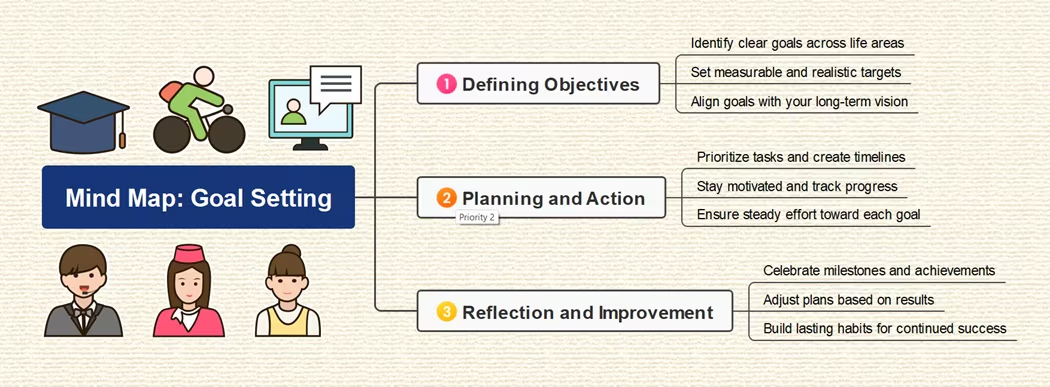
- mind maps
- flowcharts
- diagrams
- milestone charts
make goals visible and tangible. Users can see how goals break down into phases, steps, and deadlines, which makes them feel more achievable.
2. They Break Big Goals Into Manageable Steps
A long-term goal is really a collection of dozens of smaller tasks. Visual planners use hierarchical layouts that help users decompose a complex goal into:
- phases
- milestones
- actionable steps
- recurring habits
Tools like kanban boards or Gantt charts visually separate stages so users aren’t overwhelmed by the entire journey at once. This breakdown creates a clear roadmap instead of a vague idea.
3. They Improve Clarity and Reduce Overwhelm
When goals live only in text or in your head, it’s easy to lose direction. A visual planner:
- organizes information clearly
- distinguishes priorities
- highlights progress
- shows what needs attention next
By turning cluttered ideas into neatly structured visual formats, planners create calm and clarity, reducing the stress that often derails long-term planning.
4. They Boost Motivation Through Progress Visualization
Long-term goals require sustained motivation. Visual planners keep people inspired by making progress visible.
Common motivation-boosting visuals include:
- progress bars
- milestone markers
- check-off boxes
- color-coded stages
- habit trackers
- achievement badges
Seeing progress triggers reward pathways in the brain, encouraging continued effort.
5. They Help Users Connect Daily Actions to Future Outcomes
A major challenge in long-term planning is linking today’s small actions with future results.
Visual planners often display goals in multiple layers:
- the long-term goal
- mid-term milestones
- weekly priorities
- daily tasks
This creates a clear line from small daily habits to big dreams, making it easier to stay consistent.
6. They Support Better Decision-Making
Long-term goals evolve over time, and plans must adjust. Visual planners help you make better decisions because you can see the ripple effects of a change in one place.
For example:
- shifting a deadline
- adding a new task
- removing a step
- reorganizing priorities
With visual layouts, consequences become instantly visible, enabling smarter choices.
7. They Reveal Dependencies and Hidden Obstacles
Some tasks depend on others. Some need resources. Some require outside help.
Text lists rarely reveal these connections.
But visual tools like:
- flowcharts
- task webs
- dependency arrows
make blockers or bottlenecks clear. This helps users prepare and sequence their work more efficiently.
8. They Inspire Creative Thinking and Big-Picture Insight
Visual planners stimulate creativity because they allow:
- freeform arrangement
- playful layouts
- flexible clustering
- drag-and-drop organization
This encourages users to explore possibilities, set bolder goals, and think more strategically about the long term.
Mind-mapping especially helps connect ideas users may never have linked through text alone.
9. They Align Multiple Goals Side-by-Side
People rarely have just one long-term goal. Visual planners can show several at once:
- career development
- personal finance
- health
- hobbies
- relationships
- education
By mapping them visually, users can balance priorities and avoid overcommitting.
This multi-view capability helps reveal:
- time conflicts
- resource conflicts
- overlapping tasks
- synergistic opportunities
All of which are crucial for realistic long-term planning.
10. They Enable Easy Adjustments and Continuous Improvement
Long-term goals aren’t static—they change.
Visual planners make updates painless:
- drag and drop tasks
- rearrange timelines
- color-code new priorities
- duplicate recurring plans
- adjust workload visually
Unlike handwritten journals, digital visual planners evolve as the user evolves.
11. They Offer Multi-Device Access for Long-Term Consistency
Most visual planning tools sync across devices:
- phones
- tablets
- laptops
- desktops
This is vital for long-term goals that unfold over years. Users can update plans anytime, anywhere, without losing track or starting over.
12. They Make Collaboration Easier
Many long-term goals involve teamwork:
- family financial plans
- business goals
- academic group projects
- planning a move
- starting a startup
Visual planners allow shared boards, real-time edits, comments, and progress tracking, so everyone sees the same roadmap.
This transparency improves communication and accountability.
13. They Support Habit Formation and Routine Building
Long-term success often relies on habits, not one-time tasks. Visual planners often include:
- routine trackers
- streaks
- recurring task setups
- color-coded habit loops
This visually reinforces habits until they become automatic.
14. They Make Goal Tracking More Enjoyable
People stick with systems that feel rewarding.
Visual planners are more fun than plain text lists because they include:
- colors
- icons
- charts
- animations
- satisfying interactions
This increases likelihood that users stick with their goals long-term.
15. They Provide Psychological Reinforcement
Visual planning leverages several cognitive principles:
The Brain Processes Images Faster
We understand visual information far more quickly than text.
Spatial organization creates mental clarity
Layouts help categorize and structure thoughts.
Visual cues improve recall
Color, position, and shape make tasks easier to remember.
A completed visual roadmap reduces anxiety
The act of mapping goals visually reduces cognitive load and increases confidence.
Together, these effects make long-term planning smoother and more successful.
16. Types of Visual Planners That Help With Long-Term Goals
1. Mind-mapping apps
for brainstorming and idea expansion
2. Digital whiteboards
for freeform planning and big-picture strategy
3. Kanban boards
for organizing work into stages (To Do → Doing → Done)
4. Timeline and Gantt planners
for scheduling long-term projects with deadlines
5. Visual habit trackers
for consistency and routine building
6. Goal dashboards
for monitoring metrics and milestones at a glance
Each type supports long-term goals in a different way, and many users combine them for better results.
Conclusion
Visual planners help map long-term goals by transforming overwhelming ambitions into clear, structured, motivating roadmaps. They make goals easier to see, understand, break down, and track over time. By combining organization, creativity, and progress visualization, they empower users to stay committed to long-term visions and navigate the journey confidently.