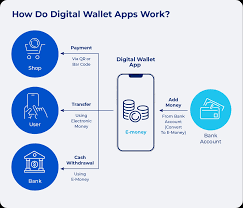
Digital wallets have transformed from simple payment tools into powerful, multifunctional platforms that millions rely on every day. What once began as an alternative way to store credit and debit cards on a smartphone has evolved into a comprehensive ecosystem that now includes banking services, identity verification, rewards, transportation access, peer-to-peer transfers, bill payments, budgeting tools, and more.
Today’s digital wallets—such as Apple Wallet, Google Wallet, PayPal, Samsung Wallet, Cash App, Revolut, Venmo, and others—are no longer just “wallets.” They’re becoming all-in-one personal finance hubs, security tools, lifestyle companions, and identity managers. Their continued expansion is driven by shifting consumer expectations, technological advancements, competitive pressure, and the demand for seamless digital experiences.
This article explores why digital wallets keep expanding features, what’s driving their rapid evolution, how companies benefit, and what users can expect next as wallets become central to daily life.
1. The Evolution: From Simple Payments to Complete Digital Ecosystems
Digital wallets started with a basic purpose: store card information and make convenient payments. But several forces pushed them to expand:
- Users wanted more than just tap-to-pay.
- Businesses started integrating services.
- Governments adopted digital identity solutions.
- Technology made more complex functions possible.
As a result, digital wallets grew into platforms capable of:
- storing documents
- managing subscriptions
- tracking expenses
- sending money
- receiving funds
- accessing transportation
- redeeming coupons
- managing loyalty programs
- storing event tickets
- authenticating identity
This shift reflects a wider change in how people interact with technology—seeking convenience, speed, and an all-in-one solution.
2. People Want Fewer Apps, Not More
One of the biggest drivers behind feature expansion is user behavior.
App Fatigue
People are tired of:
- multiple logins
- separate apps for each task
- cluttered screens
- complicated workflows
Users increasingly prefer centralization, where one app does the job of many. Digital wallets are perfectly positioned to become that central hub.
Wallets Reduce Friction
Instead of switching between apps, users can:
- pay bills
- send money
- save coupons
- track expenses
- access tickets
all within one unified environment.
Convenience Wins
Modern consumers value solutions that save time, reduce steps, and simplify daily tasks. Digital wallets fill that demand perfectly.
3. Growing Trust in Digital Payments
As digital transactions become more secure and common, people trust wallets with more sensitive tasks.
Secure by Design
Digital wallets use:
- encryption
- biometric authentication
- tokenization
- device-level security
which builds user confidence.
Familiarity Leads to Adoption
Once users trust wallets for basic payments, they feel comfortable storing:
- IDs
- event passes
- transit cards
- personal details
- loyalty programs
The expansion of features is partly driven by this rising trust.
4. Businesses Want to Integrate With Wallets
Companies benefit enormously when their services connect to digital wallets.
Wallets Improve Customer Experience
Businesses can offer:
- instant access to tickets
- auto-applied loyalty rewards
- fast checkout
- digital receipts
- stored coupons
This reduces friction and increases satisfaction.
Wallet Integration Drives Revenue
The easier it is to pay, the more customers spend. Wallet integration increases:
- purchase frequency
- checkout conversion
- customer retention
This encourages businesses to push for more wallet features.
Industry Adoption Creates Momentum
As key sectors—transportation, retail, entertainment, insurance, travel—adopt wallet integration, others follow to remain competitive.
5. Competition Drives Innovation and Expansion
The digital wallet space is fiercely competitive. Each platform wants to become the most essential app in the user’s life.
Apple vs Google vs Samsung
These tech giants constantly add:
- transit cards
- digital IDs
- car keys
- hotel room access
- boarding passes
- secure sharing features
to outdo one another.
Fintech Companies Push Boundaries
Apps like:
- PayPal
- Cash App
- Revolut
- Wise
offer advanced financial features such as:
- investing
- crypto support
- cross-border payments
- budgeting
- bill splitting
- banking tools
Major tech and fintech companies force each other to innovate faster.
Global Expansion Adds New Requirements
Wallets must adapt to:
- different financial systems
- transportation networks
- government ID standards
- merchant technologies
Adding features helps them grow internationally.
6. Demand for Faster, Contactless, and Remote Interactions
Modern life emphasizes speed and digital convenience.
Contactless Experiences Became the Norm
The push for contactless interactions accelerated digital wallet adoption. People now expect:
- tap-to-pay
- tap-to-board
- tap-to-enter
Wallets keep adding features to support more contactless experiences.
Remote Transactions Are Expected
Digital wallets enable:
- remote payments
- online purchases
- QR code transfers
- web-to-wallet transactions
As remote commerce grows, wallets must expand to support more ways to transact.
7. Digital Identity Is Becoming Essential
Digital identities are emerging as a major feature of modern wallets.
Government-Issued Wallet IDs
Some countries now support:
- driver’s licenses
- national ID cards
- vaccination cards
inside mobile wallets.
Travel Integration
Wallets are expanding to support:
- digital passports (in early testing)
- boarding passes
- visa documents
- itineraries
This reduces paperwork and simplifies travel.
Access and Authentication
Wallets are becoming digital keys for:
- cars
- hotel rooms
- offices
- smart homes
As identity needs grow, wallets add features to handle secure access.
8. Financial Features Drive User Engagement
Modern wallets want to become financial hubs. To keep users engaged, they add economic, banking, and lifestyle tools.
Peer-to-Peer Transfers
Platforms like Cash App, Venmo, and PayPal popularized:
- instant sending
- instant receiving
- payment requests
- bill splitting
Wallets now expand these features with:
- group payments
- shared tabs
- automatic reminders
Bill Payments
Users can pay:
- utilities
- subscriptions
- loans
- phone bills
directly from their wallet.
Budgeting and Analytics
Wallets include:
- spending summaries
- category breakdowns
- savings tools
- alerts
- financial goals
This helps users manage money more effectively.
Buy Now, Pay Later (BNPL)
Wallets integrate:
- installment plans
- interest-free financing
- purchase scheduling
to increase shopping convenience.
Investment and Crypto Options
Some wallets let users:
- buy stocks
- trade crypto
- send assets
- track portfolios
Financial integrations attract users who want one centralized money tool.
9. Loyalty Programs and Rewards Become Central
Rewards programs keep users engaged and loyal.
Integration With Merchant Rewards
Wallets store:
- points
- digital punch cards
- membership IDs
- exclusive offers
This helps users avoid juggling multiple accounts.
Auto-Apply Coupons
Advanced wallets detect:
- ongoing promotions
- applicable discounts
- reward redemptions
and automatically apply them during checkout.
Personalized Offers
Wallets analyze spending patterns to suggest:
- relevant deals
- cashback opportunities
- loyalty boosts
This expands their role beyond payments into lifestyle management.
10. Transportation Integration Is Expanding Globally
Wallets increasingly support public travel.
Transit Cards and Tickets
Many cities now accept:
- metro passes
- bus tickets
- commuter cards
- ferry services
via digital wallet integrations.
Tap-to-Enter Transit
Users simply tap their phone or watch to:
- board trains
- enter stations
- pay for rides
This convenience pushes wallet platforms to expand travel features.
Ride-Hailing Integration
Wallets let users:
- book rides
- track drivers
- pay instantly
without opening a separate app.
11. Expanding Into Everyday Life
Digital wallets are branching into everyday tasks.
Event Tickets
Wallets store:
- concert tickets
- sports passes
- movie tickets
- conference badges
with QR or NFC access.
Parking
Wallets now integrate:
- digital parking passes
- automated time tracking
- tap-to-park payments
Campus Cards
Some universities offer:
- student IDs
- dorm access
- cafeteria payments
through digital wallets.
Gift Cards
Users can:
- store
- redeem
- send
- track
gift cards more easily inside wallets.
12. Security Features Continue to Expand
Feature expansion is also motivated by security.
Wallets Are Safer Than Physical Cards
Wallets protect against:
- skimming
- physical theft
- card duplication
- password leaks
One-Time Token Payments
Wallets never share actual card numbers, reducing fraud.
Enhanced Biometrics
Wallets use:
- Face ID
- fingerprint scans
- device-level encryption
which boosts trust.
Remote Disable Features
If a phone is lost, wallets can:
- disable transactions
- remove cards
- alert banks
- track device status
Security enhancements encourage feature expansion into sensitive areas like IDs and licenses.
13. The Push Toward a Cashless Society
Wallets expand to support more tasks as societies move toward cashless interactions.
Merchant Adoption
More stores, transportation systems, and service providers accept wallet payments.
Governments Support Cashless Transactions
Some countries promote digital wallets to:
- reduce corruption
- increase transparency
- improve financial inclusion
Micro-Payments and Small Transactions
Wallets make tiny transactions easy, such as:
- vending machines
- parking meters
- cafeteria payments
- donations
This expands use cases rapidly.
14. Competition for “Super App” Status
The race to become a super app—an app that replaces dozens of other apps—drives expansion.
What a Super App Means
A super app combines:
- payments
- shopping
- messaging
- banking
- travel
- identity
- entertainment
Wallets are naturally evolving in that direction.
The Asian Market Influence
Apps like WeChat, Grab, and Alipay set the benchmark by offering:
- payments
- booking services
- social features
- business tools
Western companies are racing to catch up.
15. Future of Digital Wallets: What’s Next?
Digital wallets will continue to expand and evolve dramatically.
Digital Passports
Wallets may store:
- identity documents
- immigration documents
- visas
- travel passes
Full Integration with Smart Homes
Users may unlock:
- homes
- appliances
- personal storage
using their wallet.
AI-Powered Finance Tools
Wallets will soon include:
- automated budgeting
- predictive spending alerts
- smart savings suggestions
- fraud detection
- bill predictions
Subscription and Membership Management
Wallets will streamline:
- renewal reminders
- auto-cancellations
- membership tracking
More Cross-Border Features
Faster, cheaper international transfers will become standard.
Social and Communication Features
Some wallets will integrate:
- messaging
- shared payment rooms
- group management
- community tools
Web3 and Digital Assets
Wallets will hold:
- NFTs
- digital collectibles
- blockchain-based IDs
- decentralized assets
The wallet of the future will be part finance manager, part identity hub, part access key, and part lifestyle companion.
Conclusion
Digital wallets keep expanding features because users want convenience, businesses want integration, and technology makes it possible. As wallets evolve, they’re becoming essential daily tools—handling payments, identity, travel, rewards, budgeting, and more. This rapid expansion reflects a shift toward centralized digital life, where one secure platform handles everything.
Wallets are no longer just places to store cards—they are becoming the digital center of modern living, and their feature sets will only continue to grow.